




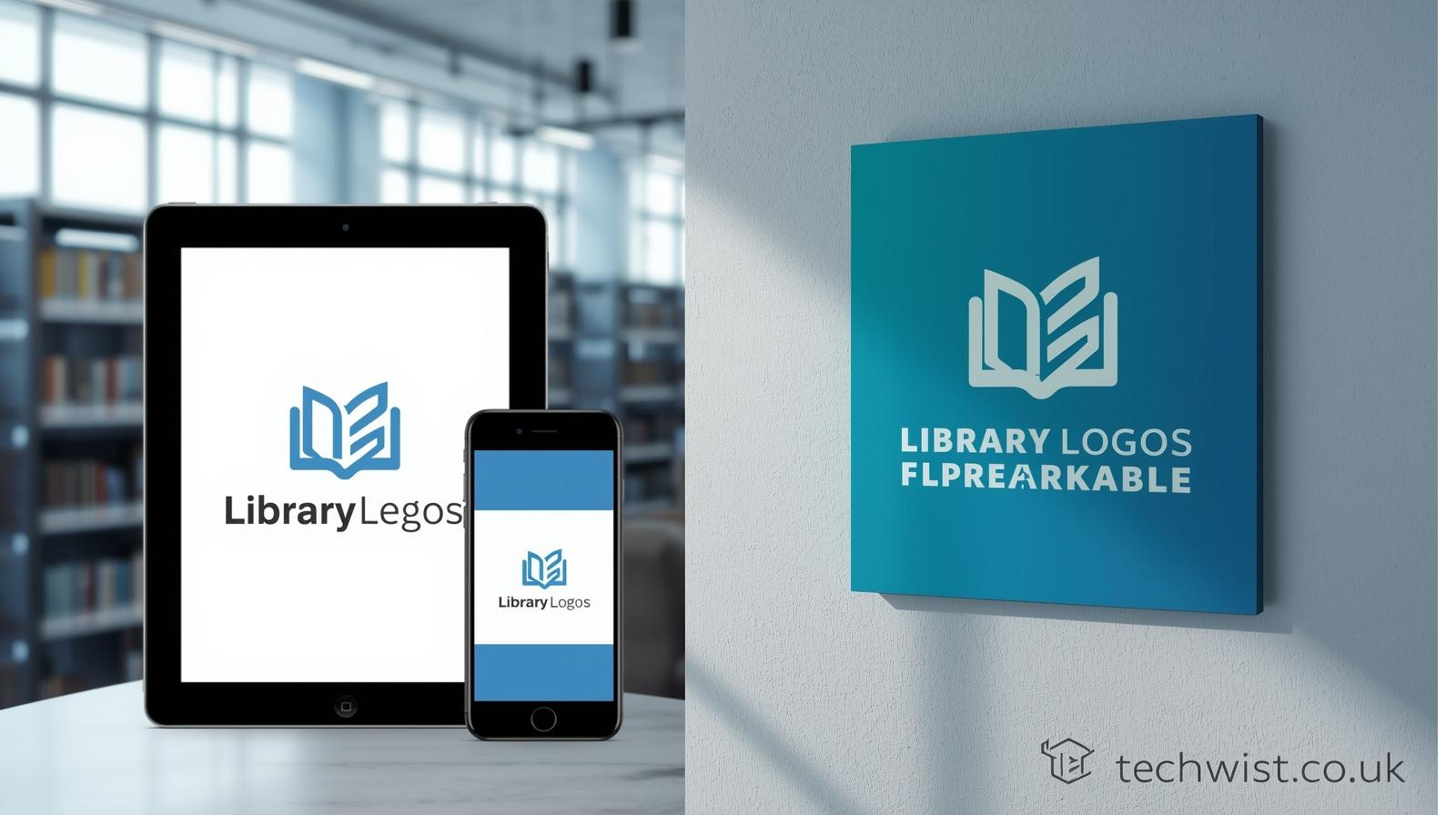
The concept of library logos FLPmarkable represents a modern and strategic approach to visual identity in the library sector. While traditional library logos often relied on predictable imagery such as open books or classical columns, the FLPmarkable philosophy emphasizes flexibility, longevity, professionalism, and memorability. In today’s competitive and highly visual digital environment, libraries must present themselves not only as educational institutions but also as dynamic community hubs. A well-designed logo plays a central role in shaping that perception.
Library branding has evolved significantly in the past decade. Public libraries, academic libraries, digital libraries, and community learning centers now compete for attention in both physical and digital spaces. A FLPmarkable logo ensures that the visual identity remains relevant across websites, mobile applications, event posters, membership cards, and social media platforms. The goal is to create a brand mark that reflects knowledge, innovation, trust, and accessibility while remaining simple enough to scale and adapt across multiple formats.
The Evolution of Library Branding in the Digital Era
Historically, libraries were viewed primarily as quiet reading spaces filled with printed books. Their branding reflected this identity through traditional typography, muted color schemes, and literal symbols. However, modern libraries offer far more than book lending. They provide digital archives, eBooks, research databases, community workshops, technology access, literacy programs, and collaborative workspaces. This transformation has required a shift in visual communication.
Library logos FLPmarkable emerged as a response to this change. Designers began prioritizing clean, adaptable logos that communicate innovation without abandoning heritage. In the digital era, logos must perform equally well on a smartphone screen, a website header, or a printed banner outside a library building. As user engagement increasingly happens online, libraries need logos that enhance search visibility, reinforce brand recognition, and align with digital marketing strategies. This shift highlights the importance of scalable vector design, responsive layouts, and cross-platform usability.
Core Principles Behind FLPmarkable Logo Design
The foundation of any successful FLPmarkable library logo lies in simplicity and clarity. A simple logo is easier to remember, recognize, and reproduce. Complex illustrations may look impressive at large sizes, but they often lose detail and impact when scaled down for mobile icons or social media avatars. A minimal yet meaningful design ensures versatility and professional presentation.
Relevance is another key principle. A library logo should communicate the institution’s mission, values, and audience focus. For example, a public community library may emphasize inclusivity and warmth, while a university library may focus on academic excellence and credibility. FLPmarkable design aligns visual elements with strategic goals, ensuring that typography, color, and iconography work together harmoniously. This thoughtful integration strengthens trust and supports long-term brand growth.
The Importance of Typography in Library Logos
Typography is one of the most influential elements in library logo design. Serif fonts often communicate tradition, scholarship, and authority, making them suitable for academic institutions and research libraries. Sans-serif fonts, on the other hand, convey modernity, clarity, and accessibility, which may better reflect public libraries focused on community engagement and digital services.
Choosing the right font involves balancing readability with personality. A library logo must remain legible across different screen sizes and print materials. Overly decorative fonts can reduce clarity and professionalism. In FLPmarkable design, typography is carefully selected to reinforce the brand message while ensuring functional adaptability. The spacing, weight, and alignment of text all contribute to how the logo feels and how effectively it communicates its purpose.
Color Psychology and Visual Identity in Libraries
Color selection significantly influences how audiences perceive a library’s brand. Blue tones are often associated with trust, intelligence, and calmness, making them popular choices for educational institutions. Green can symbolize growth, learning, and community development. Warmer tones such as orange or yellow may convey creativity, friendliness, and innovation, particularly in youth-oriented or community-centered libraries.
FLPmarkable logos consider how colors appear in various contexts, including print, digital displays, and monochrome formats. Contrast and accessibility are essential considerations, especially for users with visual impairments. A well-balanced color palette enhances memorability while maintaining professional credibility. Consistent color usage across branding materials strengthens visual identity and reinforces recognition in both physical and digital environments.
Scalability and Digital Adaptability in Modern Logo Design
One of the defining characteristics of library logos FLPmarkable is digital scalability. Modern logos must function effectively across multiple platforms, including websites, social media, library management systems, and mobile applications. Vector-based design ensures that logos retain sharpness and clarity regardless of size, from large signage to small browser icons.
Adaptability also involves creating multiple logo variations, such as icon-only versions, stacked layouts, or horizontal formats. These variations allow libraries to maintain consistent branding across diverse applications. Digital-first design thinking ensures that the logo remains functional in high-resolution displays, responsive websites, and interactive platforms. This adaptability enhances user experience and strengthens overall brand cohesion.
Community Representation and Cultural Relevance
Libraries serve diverse populations, and their logos should reflect inclusivity and community values. A FLPmarkable library logo often incorporates subtle references to local culture, architecture, or historical significance. This connection fosters emotional resonance and community pride, reinforcing the library’s role as a trusted public institution.
Engaging stakeholders in the branding process can further strengthen authenticity. Community surveys, design consultations, and collaborative workshops help ensure that the final logo aligns with user expectations. A logo that reflects shared identity and purpose becomes more than a visual symbol; it becomes a representation of collective knowledge, growth, and collaboration.
Avoiding Common Mistakes in Library Logo Creation
Despite best intentions, certain design mistakes can weaken a library’s visual identity. Overcomplicated graphics, excessive color usage, and inconsistent typography can reduce clarity and memorability. A cluttered logo may appear outdated and fail to perform well in digital formats. Simplicity remains a guiding principle for effective and timeless design.
Another common issue is relying too heavily on generic symbols without adding unique interpretation. While books remain relevant symbols of knowledge, combining them with innovative shapes or abstract elements can create a more distinctive brand mark. Testing the logo across different mediums and lighting conditions ensures durability and professional consistency.
Implementing and Maintaining a Strong Library Brand
Once a FLPmarkable logo is finalized, consistent implementation becomes essential. Brand guidelines should outline proper logo usage, spacing requirements, color codes, and acceptable variations. Maintaining consistency across brochures, websites, signage, and promotional materials strengthens brand authority and user Library Logos FLPmarkableLibrary Logos FLPmarkabletrust.
Long-term brand maintenance also involves Library Logos FLPmarkableperiodic evaluation. As technology and user expectations evolve, libraries may refine their visual identity while preserving core elements. Regular updates to digital assets, accessibility compliance checks, and alignment with institutional goals ensure that the logolibrary logos flpmarkable remains relevant and impactful. Through careful strategy and thoughtful design, library logos FLPmarkable support not only visual appeal but also credibility, engagement, and sustainable brand growth.
Read More :Pearlyn Goh Kun Shan: Heritage, Family, and Lasting Influence
Conclusion:
Library logos FLPmarkable represent morelibrary logos than a design trend; they reflect a strategic shift in how libraries present themselves in a digital and community-driven world. By focusing on simplicity, scalability, typography, color psychology, and cultural relevance, libraries can build visual identities that are both timeless and adaptable. A well-crafted logo strengthens recognition, builds trust, and communicates the institution’s mission clearlylibrary logos across all platforms.