


The mountains of Appalachia hold many secrets, but few are as debated as the melungeon people. For many years, folks whispered this word in parts of Tennessee, Virginia, and North Carolina. It was often used as an unkind label for people who looked a bit different from their neighbors. Today, we know the melungeons story is actually a beautiful mix of many cultures. It tells us about families who found a way to thrive in the hills during tough times. Learning about this group helps us see the rich, blended history of our country.
What Is a Melungeon?
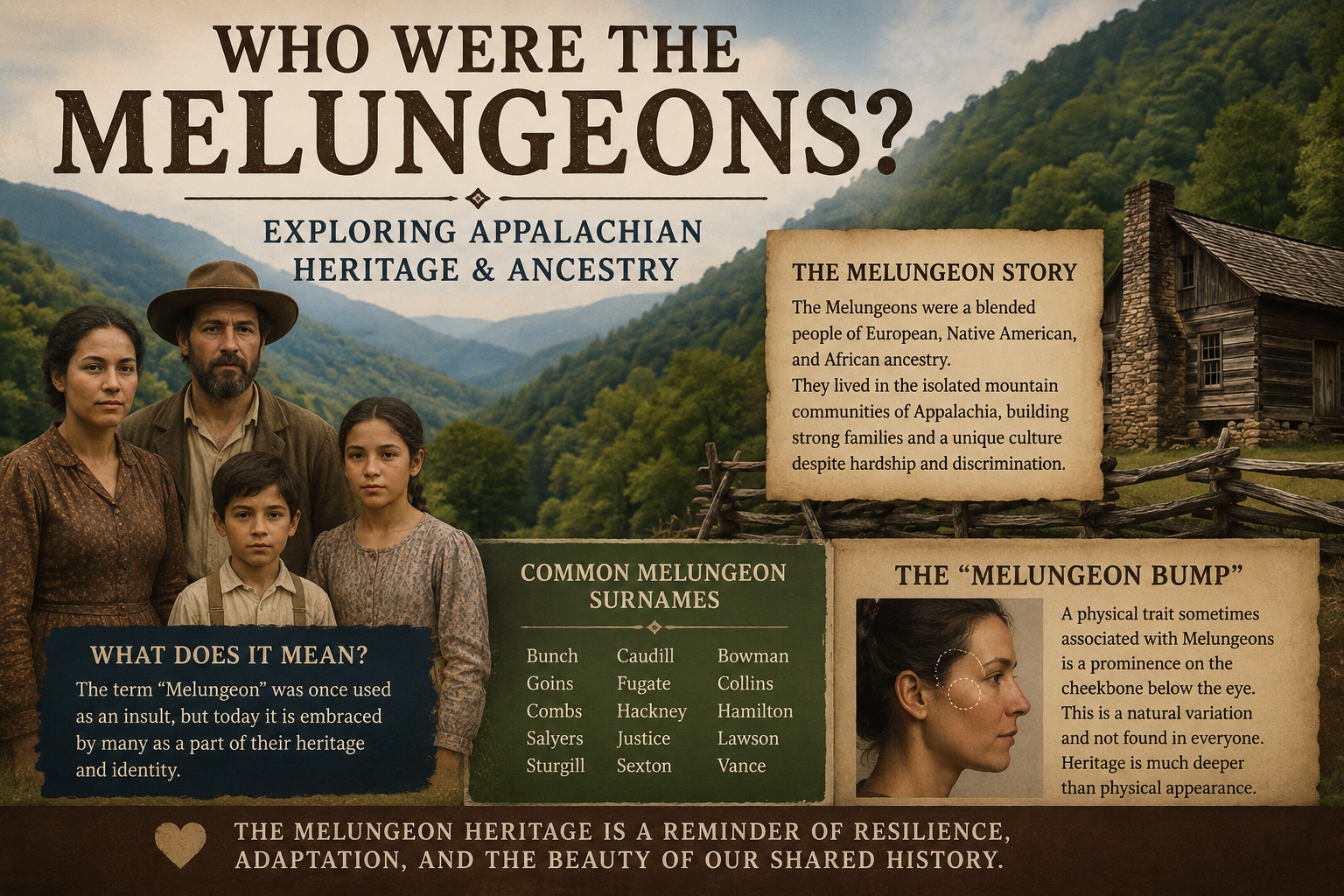
If you ask, “what is melungeon?”, you might get different answers. Historically, the term was used by outsiders to describe a group of families with mixed ancestry. These families lived in isolated mountain areas. They often had darker skin, hair, or eye colors that made them stand out. Because they did not fit into the neat boxes of the time, they faced many hard challenges. Today, we understand that these families were likely a mix of European, African, and Native American people who came together.
Understanding What Is a Melungeon Person
When someone asks, “what is a melungeon person?”, it really describes a person with a unique, multi-racial background. They were not one single race. Instead, they were a melting pot of different worlds. In the past, people used the word melungeon to be mean or hurtful. It was a way to make them feel like “outsiders.” However, many of those descendants now view the name as a badge of honor. It represents the survival and strength of their ancestors who built lives in the quiet, hidden valleys.
What Does Melungeon Mean?
So, what does melungeon mean exactly? The word’s origin is still a bit of a mystery. Some think it comes from the French word “mélange,” which simply means “mixture.” Others believe it comes from words in Greek or Italian that refer to skin color. Whatever the origin, the word was rarely used by the people themselves. It was an “exonym,” a name given to them by others. For generations, these families just saw themselves as neighbors and community members, living their lives in the beautiful Appalachian mountains.
Exploring Melungeon Ancestry
What is melungeon ancestry? It is a complex puzzle that scientists are still trying to solve today. DNA testing has shown that there is no “single” type of melungeon heritage. People who identify as having this background often have DNA from all over the globe. This includes parts of Europe, Africa, and even the Middle East. Some stories suggest they might be related to lost explorers or early settlers who arrived long ago. This wide variety of roots is what makes their family history so very interesting to study.
🔴 MUST READ:
The Famous Melungeon Bump
One of the most popular stories about this group involves the melungeon bump. This is a small lump or bump on the back of the skull. Many people who believe they have this history point to the bump as proof. However, scientists say this physical trait is found in many different populations around the world. While it is a fun piece of family folklore, it is not a scientific way to prove your ancestry. It remains a classic part of the stories passed down through families.
Features: Melungeon Hair and Physical Traits
People often ask about melungeon hair and other features. Because they are a mix of many groups, there is no “right” look. Some might have straight, dark hair, while others have curly locks or light eyes. There is no such thing as a typical melungeon face. They have always looked as diverse as the people who traveled to the Americas hundreds of years ago. It is their blend of features that often made their neighbors curious or, unfortunately, unkind in the past.
Common Melungeon Surnames
If you are looking into your own tree, melungeon surnames are a great place to start. While there is no list that guarantees you have this heritage, certain names appear often in historical records. Names like Collins, Gibson, Goins, Mullins, and Bowling are very common. If you have these names in your family, it does not automatically mean you are a descendant. However, it is a fun clue that might lead you to explore your own family’s fascinating and long-hidden story.
Melungeon People Today
What are melungeon people today? They are proud descendants who are reclaiming their history. Many families are using tools like DNA testing and old records to piece their past together. They are not hiding anymore; instead, they are sharing their stories and keeping their culture alive. It is wonderful to see so many people taking an interest in where they came from. The mystery of these communities is finally being told by the people who know it best.
Are There Any Melungeon Celebrities?
It is natural to wonder if any famous faces share this past. While few people identify as “melungeon celebrities” in the media, many famous people have found Appalachian or mixed-race roots in their trees. Some actors or singers have spoken about their “mysterious” or “mixed” ancestors from the mountains. These stories often match the patterns seen in historical melungeon families. It shows that this history is much more common and widespread than many people realize today.
Learning More About the Heritage
If you want to know what is melungeon heritage, the best thing to do is start your own search. Look at your own family records, talk to your elders, and save those old photos. There are many books and online groups that focus on this topic. You might find that your own family has a story just as amazing as the one told about these mountain people. Every family tree has a story, and yours is waiting to be uncovered and shared with the next generation.
Frequently Asked Questions
1. What is a Melungeon?
A Melungeon is a person of mixed-race ancestry historically found in the Appalachian Mountains.
2. Is Melungeon a race?
No, it is not a race. It is a historical label for families with diverse, mixed heritage.
3. What is the Melungeon bump?
It is a bump on the back of the skull that some believe is a trait of this heritage.
4. What are common Melungeon surnames?
Common names include Collins, Gibson, Goins, Mullins, and Bowling.
5. How do I know if I have Melungeon ancestry?
You can research your family history, look for specific surnames, or use DNA tests.
6. Was Melungeon a bad word?
Yes, it was historically used as an insult or slur against families with mixed heritage.
Conclusion
The history of these families is a powerful reminder that our roots go deep and often cross many borders. While the term may have started as an insult, it now serves as a bridge to understanding our shared, complex past. Whether you have these roots or are just curious, there is always more to learn. Start your own journey, dig into your family stories, and keep the history alive!